


Chongqing is a major Chinese city located in Southwest of China, between the provinces of Sichuan and Hubei. Built on a mountainside, it spreads over several steep hills, which gives it the nickname of “city-mountain”. The architecture therefore had to adapt to this particular relief by developing a unique vertical urbanism.
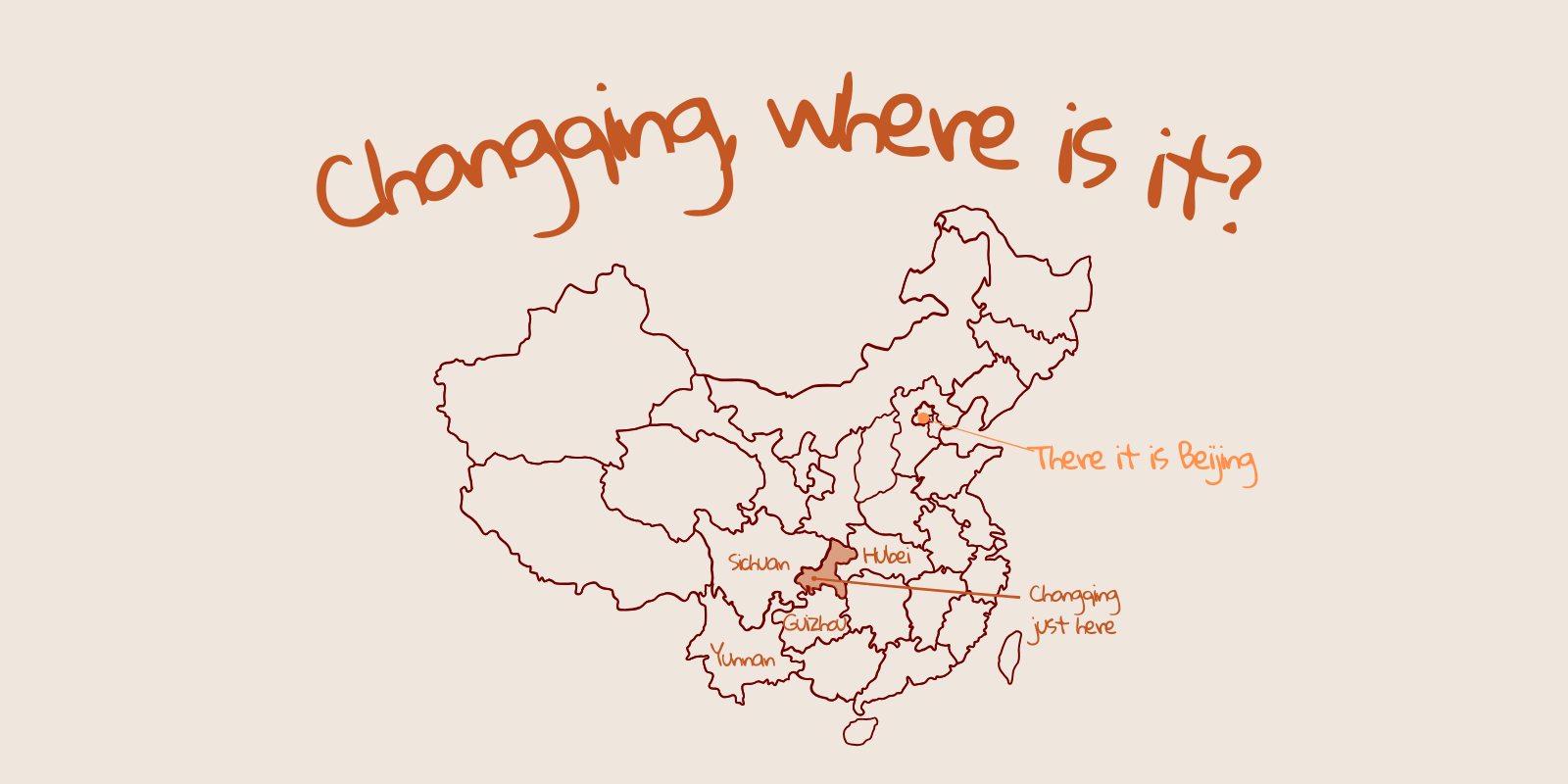
What is the peculiarity of Chongqing?
The city of Chongqing in China is built on several levels, which sometimes has the effect of deceiving our brain. At times, one has the impression of walking on the ground… whereas the road is actually twenty floors lower.
It is precisely for this peculiarity that Chongqing has been creating a buzz on social media in recent years. You have probably already seen this vertiginous video in which a person crosses a large square, and, once arrived at its end, surprises the viewer by revealing the impressive void that opens under his feet, several tens of meters lower.
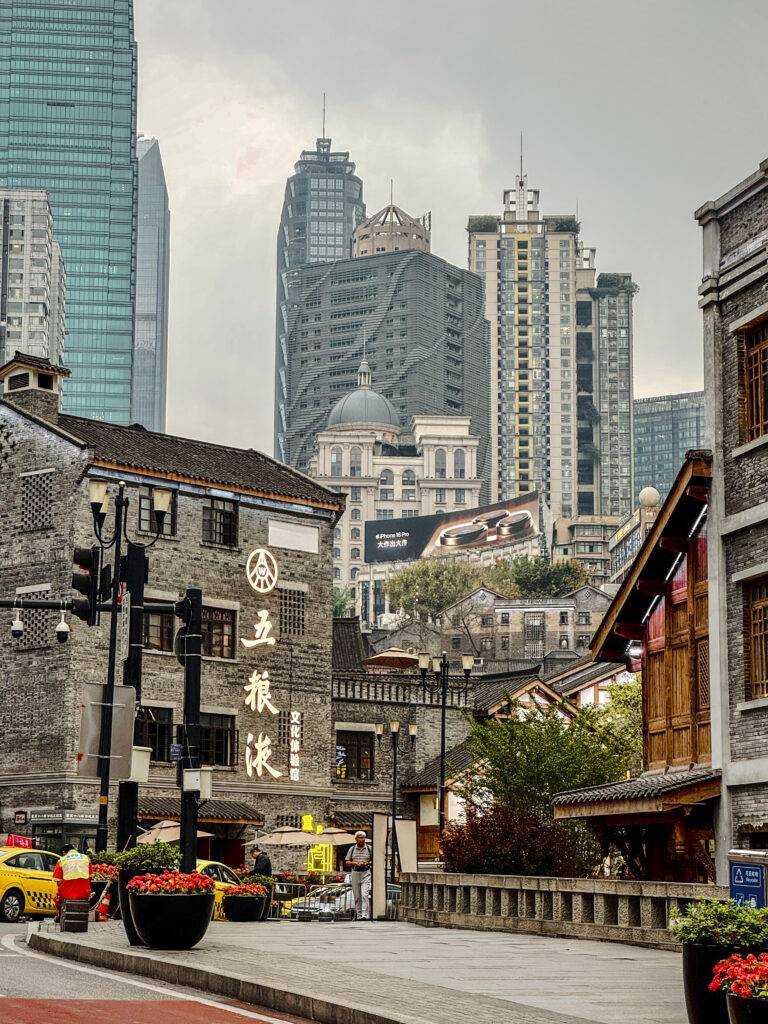
In some districts of the city, streets overlap and intersect on several levels, connected by elevators or escalators. Roads, supported by pillars, rise, fall and intertwine while aerial metro lines cross residential buildings. The whole immerses us in a neo-futurist landscape, worthy of a cyberpunk universe.
This particular topography also makes it the only large Chinese city in which one does not see bicycles: the slopes are way too steep, and even electric bikes would not always make it!
What to see and do in Chongqing? places not to be missed
If you are planning a trip to China and wish to entrust the organization of the latter to a travel agency, Aurélie recommends you 🔗 the Eastogo agency with whom she left for 2 weeks.
📌 Check out his trip to Yunnan with a one-week itinerary
Hongya’s Cave (Hongyadong) 📍
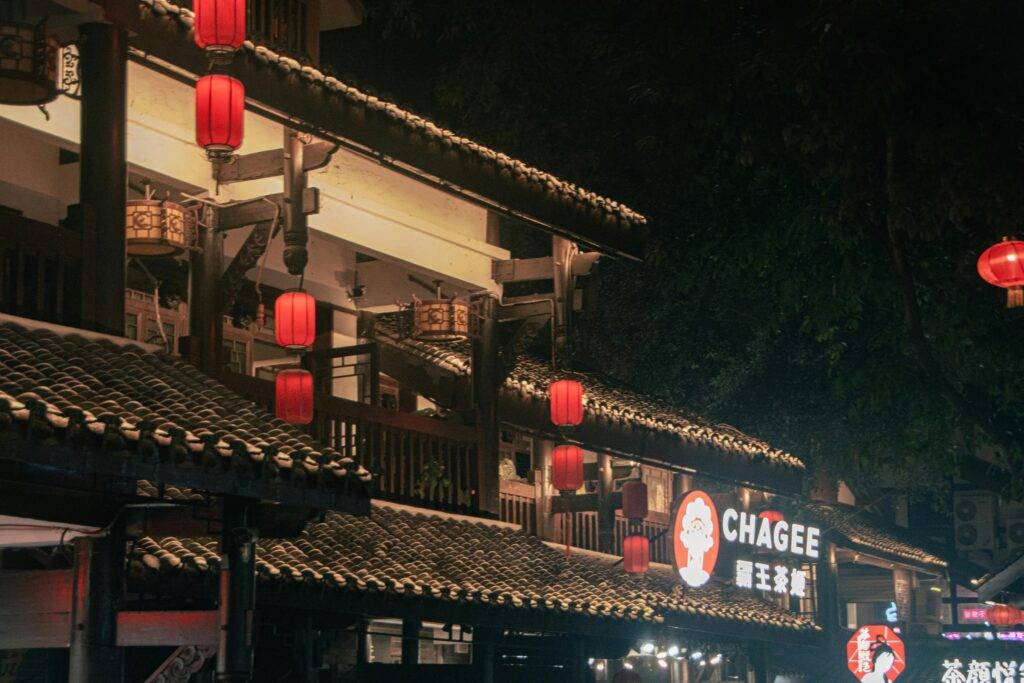
Originally, Hongyadong was a military fortress of the ancient state of Ba (1046 BC / 256 BC), which lasted during the dynasties Ming and Qing. Henceforth, Hongyadong is a set of houses on stilts built on the side of a cliff located on the bank of the Jialing River, which crosses Chongqing.
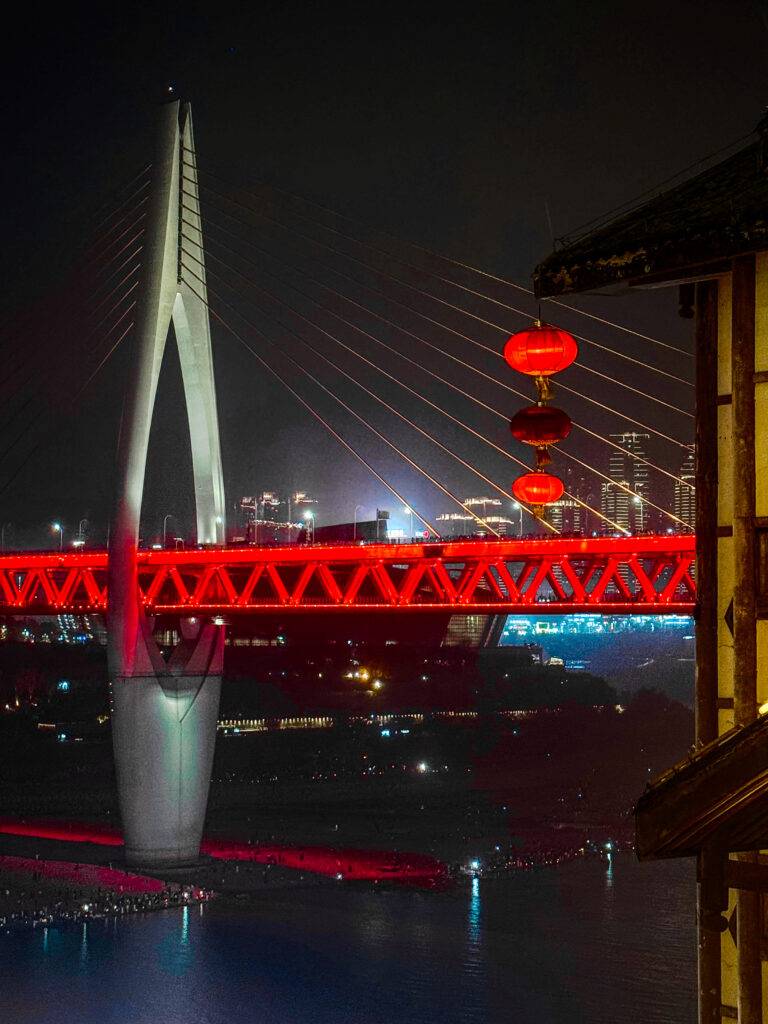
There you will find bars, cafes, restaurants and various street food stalls. When night falls, the roofs and walls of buildings are adorned with yellow lights and red lanterns turn on and illuminate the entire site. Some compare this magical atmosphere to the building that can be seen in the cartoon ‘Spirited Away’, by Miyazaki.


My opinion on the cave of Hongya 💬
Although the Hongya cave is a unmissable place in Chongqing, for my part, I rather had the impression of being at Disneyland. As often in the historic Chinese neighborhoods, the accumulation of mood lamps and advertising signs unfortunately distorts the ancient architecture of the place, which is completely drowned in an overflow of artificial light, and flooded with food, drink stalls, and shops of all kinds. Moreover, these historic sites are often crowded with people, which makes them extremely noisy. It will also sometimes be difficult for you to walk at your own pace. To this are often added dozens of costumed Chinese and Chinese who are photographed in front of each instagramable background, making the circulation even more difficult.
If you expected to stroll quietly in a historic site hoping to be transported into the ancient China, so expect to be disappointed. Keep in mind anyway that ‘lounging quietly” is a relatively impossible activity to perform in China (except Guizhou Province 😉 : find 🔗 the one-week itinerary of travel in Guizhou written by Aurélie). It is indeed difficult to visit a Chinese tourist place in calm and solitude, most of them being saturated humanly, visually and aurally. Going to Hongyadong by night will therefore allow you to live a real Chinese tourist experience!
That said, if the crowd really bothers you, know that it is not essential to return to the site to have a beautiful view of Hongyadong : just walk on the road along the Jialing River at the foot of the cliff. Or else, avoid going there at nightfall. I didn’t go there in journée, mais j’imagine qu’il doit y avoir un peu moins de monde.


the mountain trail (Shancheng Steps) 📍
Located a 15-minute walk from Hongya Cave, the Shancheng Steps mountain trail is a maze of small cobbled alleys and staircases winding through the cliff districts of Yuzhongdistrict. It is a picturesque urban walk in steep hills, connecting historic alleys, traditional houses and platforms offering panoramic views of the Yangtze and Jialing rivers, as well as on the neighborhoods located on the opposite shore. At the crossroads between urban exploration, discovery of popular art and culinary stroll, this emblematic 1.7 km itinerary will transport you to the remains of old Chongqing, lost in the middle of the skyscrapers.
Through the alleys, you will have the opportunity to discover Chinese art and culture in galleries and museums, find typical products (tea, pepper, local crafts), browse in souvenir shops or colorful vintage stores, and give yourself a gourmet break on the terrace of a café or a traditional restaurant.


💡 The ideal is to go there at the end of the day: you will avoid the heat and discover the mountain trail bathed in the ochre light of the setting sun. You will then see the neighborhood metamorphosing at nightfall, and adorn itself with a completely different atmosphere, illuminated by lanterns of all colors that mark the trails. Take the time to stroll along the walkways to enjoy the view of the lit city below, and on the bridge that crosses the Yangtze.


My review of the Mountain Trail (Shancheng Steps) 💬
Personally, it is the place in Chongqing that I preferred. I found it less crowded than other tourist places and really very pleasant to explore. Unlike the cave of Hongya, this place seemed more authentic to me, with much less artificial lights. The maze of alleyways that rise and fall from the stone also gives it a lot of charm.


The neighborhood located at the top, at the exit of Shancheng Steps, is also worth a visit. More popular and significantly less modern than the rest of the city, it offers a completely different perspective on Chongqing.


🥾 Good to know: Bring good shoes for walking as there are many walks. The route will take you between one and two hours depending on your pace and the number of breaks you will take.
The Shibati District 📍
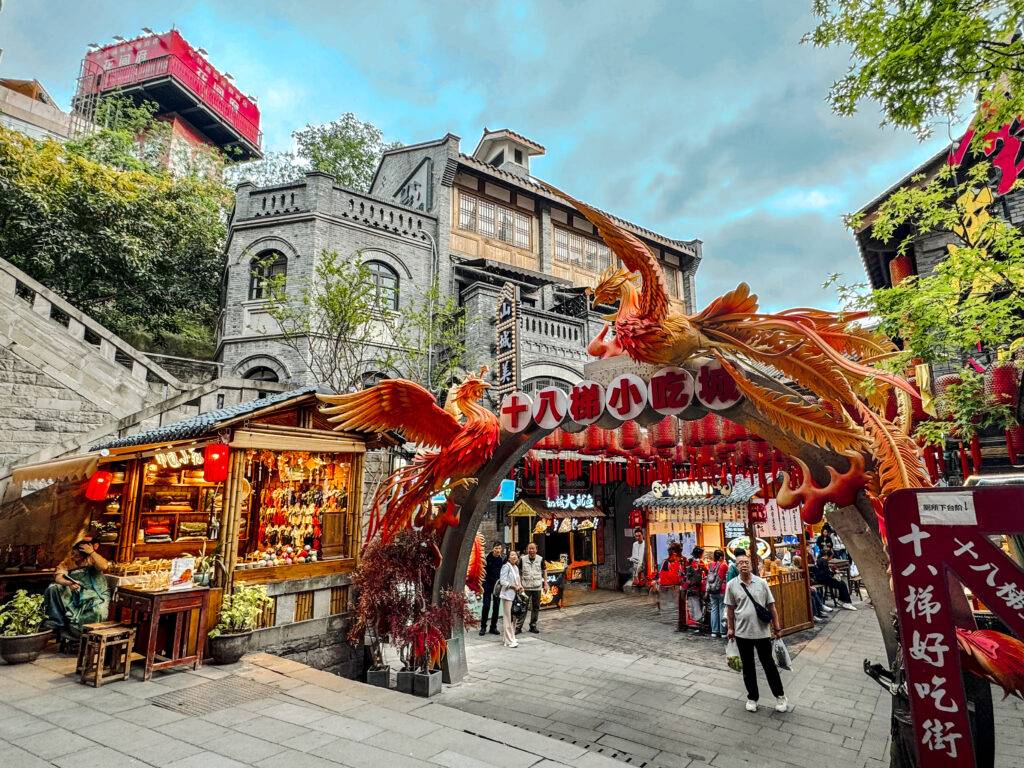
Shibati district is the last old district in Chongqing that connects the upper and lower parts of the Yuzhongpeninsula. Enclosed in the heart of a modern district, the place gives the impression of traveling back in time: we walk in the middle of historic houses, surrounded by a forest of skyscrapers. There are bars, restaurants, video game rooms, shops, as well as street food stalls and cafes of all kinds.

My opinion of the Shibati district 💬
I had the same impression as during my visit to Hongya Cave. Despite the well-preserved traditional Chinese buildings, the whole thing seemed quite superficial to me. Many modern advertising signs and decorations denote the historical side of the place. But it is in this way that China highlights its cultural heritage, so we must accommodate it.


The Old City Ciqikou 📍
The old city of Ciqikou will give you a glimpse into what Chongqing once was. It still consists of the old shops and houses of the Qing dynasty, representative of typical Chinese architecture. By getting lost in the alleys, you will find shops selling traditional clothing, souvenirs of all kinds and handmade objects such as the potteries of Sichuan, emblematic of Ciqikou.
Raffles City and the Crystal Skybridge📍
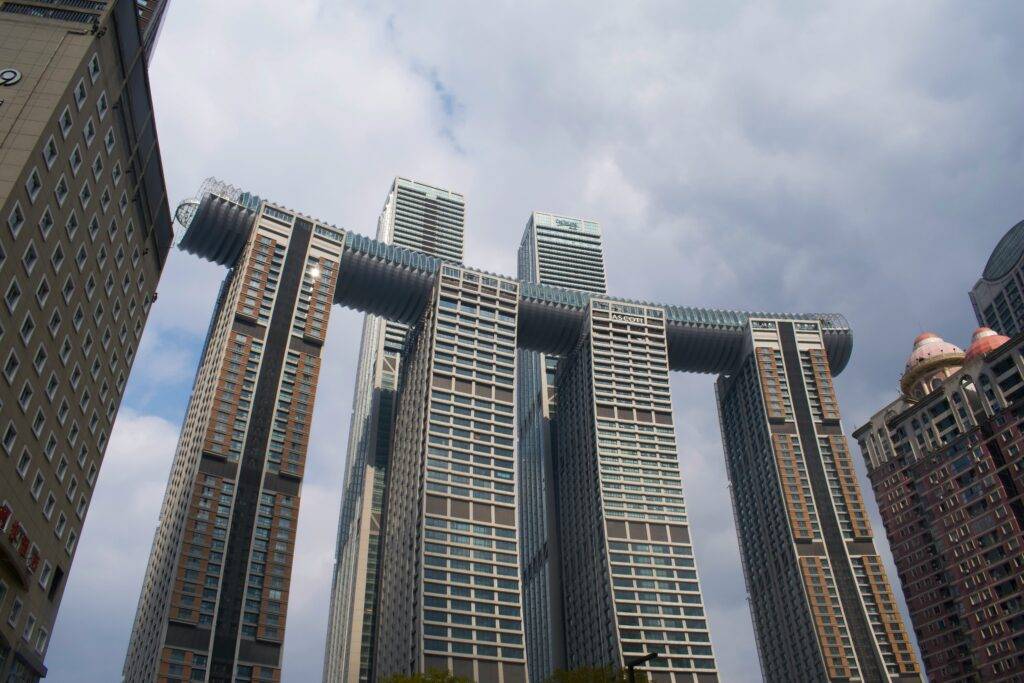
Raffles City is a complex of eight buildings located in the district of Yuzhong. It consists of a panoramic walkway 300 meters long. CalledCrystal Bridge ,it connects the top of four of the skyscrapers. Within the footbridge, there are two swimming pools, restaurants, a gallery, gardens and a panoramic point.
I have not been there, but if you are interested in modern and futuristic architecture, and like the panoramic views, I imagine that this place will not leave you indifferent!
Jiefangbei Pedestrian Street📍
Located in the heart of the district of Yuzhong, this pedestrian street is considered as the central business district of Chongqing. It starts from the monument of the Liberation, an emblematic clock tower. The street extends over an area of more than 36,000 square meters. You will find many shopping centers, a myriad of restaurants and hotels, and an infinite offer of food.
When I passed by late in the morning, I found some small local markets. The inhabitants of the neighborhood did their shopping, with stands selling fruits, vegetables, pastries, and other regional foods. Don’t hesitate to taste the bao, these Chinese steamed buns. The most classic ones are beige, but there are also many other colors. The shade depends on the ingredients used to flavor them. I tasted some chocolate chips, flowers, fruits… They are not really sweet. Their flavor remains rather neutral, and their texture, soft and slightly elastic, can surprise at first glance.


The nightlife in Jiefangbei street ✨
The pedestrian Jiefangbei Street is also a very lively nightlife center in Chongqing. This is one of the many trendy places in the city. It attracts many people in the evening, partly for the view, but also for the various places where one can listen to live music and eat. You will sometimes see more or less unusual scenes: people dressed up for photo shoots, contests or filmed parades, street performances…
There is also a long street lined with street food stalls. One can sometimes find quite particular specialties, such as insect skewers, for example. The most adventurous can try the grilled scorpions… For my part, even though I often exceeded my apprehensions in China about dishes that seemed strange to me at first glance, I think I reached my limits that day! 😂


In the footsteps of viral videos: Kuixinglou Square and the Liziba Station📍
The illusion of Chongqing, the wildest city in the world 👀
Kuixinglou Square is this famous place mentioned in the introduction, which has become viral on social networks.
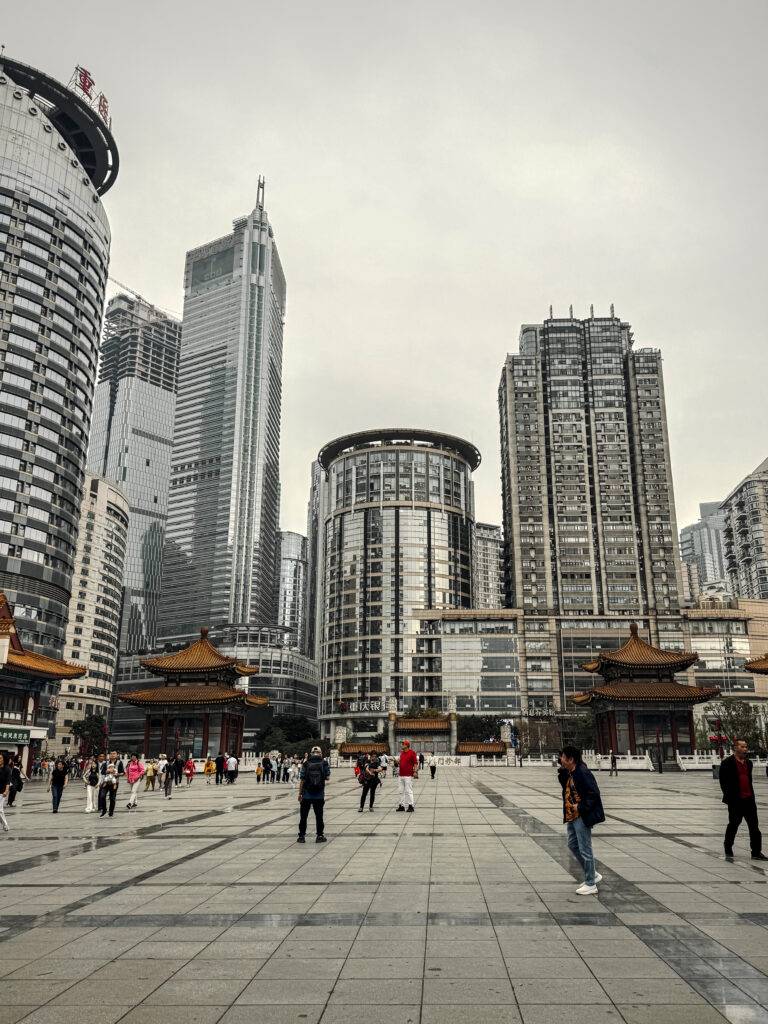
Built on the roof of a building but accessible directly from the street—so from what seems to be a ‘level 0” — it creates a true optical illusion : one believes to walk on the ground, before discovering that we are real on a suspended platform above a street located several tens of meters lower.
Depending on the point of view, this square is therefore located both on the ground floor and on the tenth floor of a building. It is a life-size urban trompe-l’oeil , where the topography of the place plays with our perception.
The most original metro stop 🚇
The station Liziba had also been talked about on social networks. It is a metro stop that is located in a residential building. Take metro line 2 to this station. You will then cross a building, remaining seated in your seat
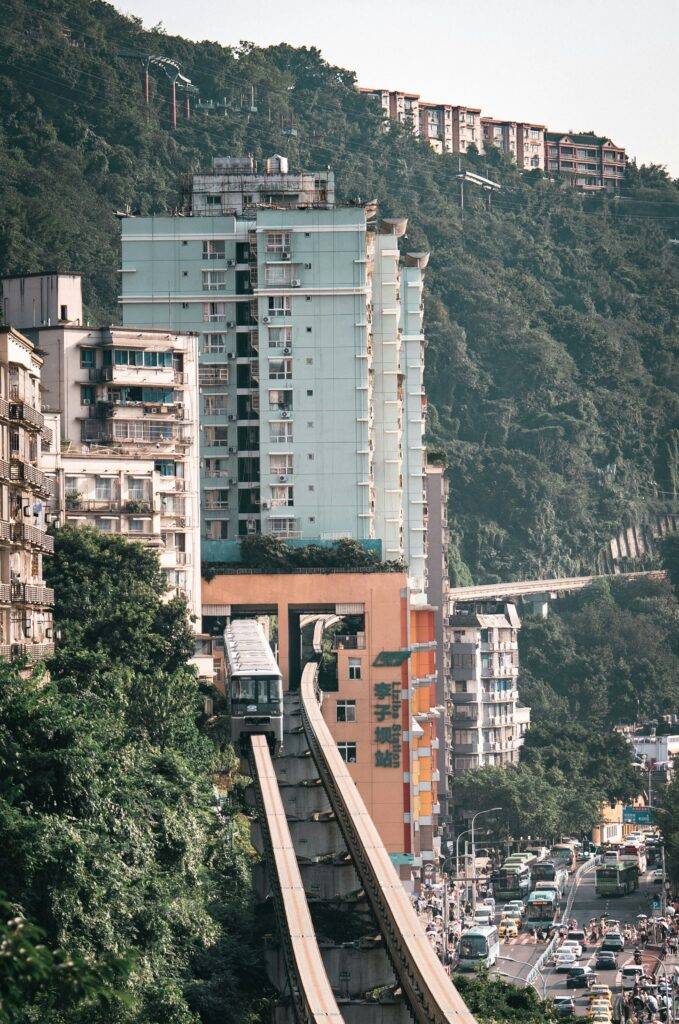
Honestly, these two curiosities are nothing so spectacular. However, their architectural singularity is worth a look if you are in the neighborhood. See it as an opportunity to experience the daily life of Chongqing.
These two places are finally quite representative of the urban experience lived every day by the inhabitants of this city. What seems perfectly ordinary to them turns out to be, for us, completely unusual.
What to eat in Chongqing? the specialties to taste
Rather than answering the famous question “where to eat in Chongqing“, I will instead offer you a list of dishes not to be missed. At least, I will mainly talk to you about what I tasted myself, because the offer being immense in this metropolis, it is clearly impossible to try everything!
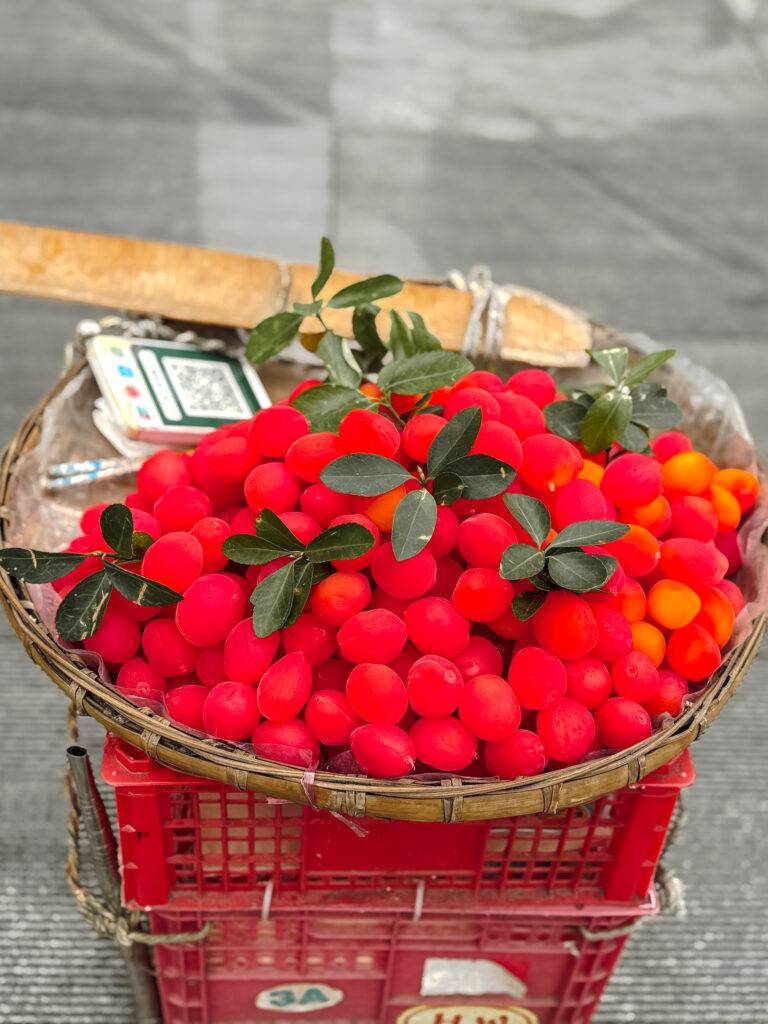
In any case, if you want to expand your Chinese culinary culture – in Chongqing as everywhere else in China – the best advice I can give you is simple. Be curious, and dare to taste! Even if some things will seem unappetizing at first glance, you will sometimes be pleasantly surprised. However, as in a package of Dragées Surprises by Bertie Crochue in Harry Potter, these taste experiences will, of course, be accompanied by their share of disappointment… But that’s part of the game!
The hot pot or “spicy fondue” 🫕
Chongqing is above all renowned for its hot pots, which are among the most spicy Chinese fondues. The fondue from Chongqing uses specific ingredients for its base, including red pepper oil (prepared with beef fat), Sichuan pepper and various spices, such as bay leaf, clove and cinnamon.
The most popular are hot pots with meat (beef, lamb, chicken, etc). You will also find tofu and vegetables in some restaurants. You will sometimes be asked if you want the fondue to be “very spicy”, “moderately spicy” or “slightly spicy”, but not always… So, if you are very sensitive to spiciness, I advise you to specify it at the moment you place your order, otherwise you will have your taste buds on fire 🔥!
The Chongqing Noodles or “Chongqing noodles” 🍜
Like everywhere in China, Chongqing also has its traditional noodle dish. Also called “Chóngqìng xiǎomiàn”, these are thin wheat noodles, more or less spicy (rather more than less… 😆), prepared with different meats, tofu and/or vegetables.
Very popular for breakfast, they are eaten with or without broth, according to preferences, and are cheap. You will find them both in restaurants and on the street, at street food stalls.
The Stinky Tofu 😷
With such a name and such an unappealing smell, it is hard to understand how this specialty can be so successful! And yet…
Stinky tofu is a fermented tofu with a very strong smell. It is comparable to some French cheeses such as bleu d’Auvergne. It is often fried, and served sprinkled with coriander leaves, chopped green onions, and chili peppers. It can be white or completely black. Don’t be fooled by the color: they are as good as each other! The black color comes from the brine in which tofu ferments for several days, which consists of winter bamboo shoots, koji and shiitake mushrooms.
You will find them everywhere on the street food stands, served in small cardboard boxes. I really advise you to try the experiment, because although surprising, I found it very good. And rest assured, the taste is not as strong as the smell (fortunately)!


Mung Been Cakes 🍰
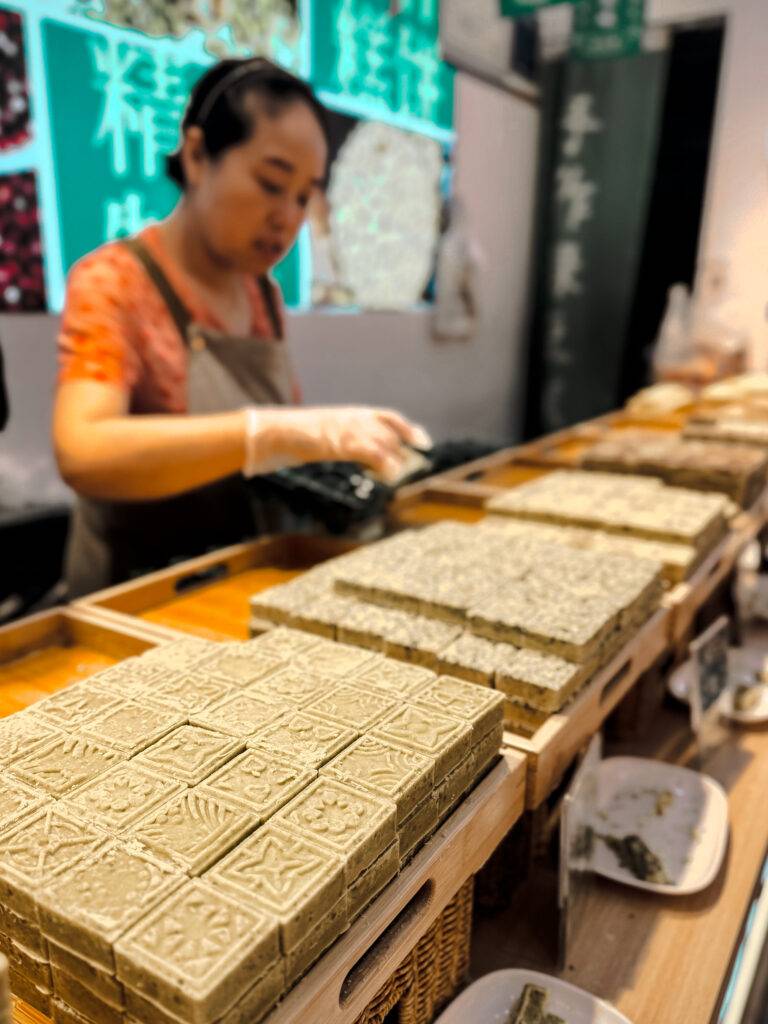
The mung bean cake is a traditional Chinese pastry, made from mung bean flour, sugar, and fat. It is a slightly sweet cake, with a crumbly texture, which you can sometimes observe molding process on street food stands that sell them. You will find them in different flavors: nature, with sesame, cranberry, matcha, osmanthus (a plant)…
Personally, I was skeptical before tasting, and I found that delicious. 😋 A bit like stinky tofu, I dared to try the experiment despite my apprehension, and I did not regret. Be careful, it’s addictive!
Sweet soups 🥣
So this is undoubtedly the most disconcerting dish I have eaten in China : a sweet soup. I passed several times in front of stands that sold some without ever really understanding what it was about. But after having been pleasantly surprised by the stinky tofu and the mung bean cakes, I wanted this time too to give this confusing dish a chance.
This soup consists of sugar water, and various ingredients relatively unknown to our European eyes. In mine there were peanuts, goji berries, sesame seeds, sticky rice balls and transparent gelatinous cubes whose name and composition still remain a mystery to me to this day. There are plenty of other variants, such as soups with tofu balls, lotus seeds, dried fruits…


In my opinion, sweet soups clearly do not win the medal for the best Chinese dish. On the other hand, they have the merit of being original, rather healthy and guaranteed without chili, if you are tired of eating spicy. Moreover, tofu balls or glutinous rice balls are quite interesting. These are textures to which we are very unaccustomed at our place. And maybe that’s what makes this dish so interesting: the discovery of new textures, which makes the experience as funny as it is surprising. 🤩
Where to stay in Chongqing?
There are obviously multiple housing options in Chongqing, very different depending on the budgets. You will find most of them listed on the Trip.com app. Otherwise, you can also rely on the travel agency Eastogo so that they take care of your accommodations.
For my part, with a fairly tight budget, I opted for the youth hostel Heye Youth Hostel, at €7 per night. Ideally located (right next to Kuixinglou Square, 5 minutes walk from the pedestrian street Jiefangbei, and halfway between the trail of Shancheng mountain and the famous cave of Hongya), the hostel is on the 8th floor of a tower, and has a private terrace from where you will have a beautiful view of the surrounding skyscrapers.
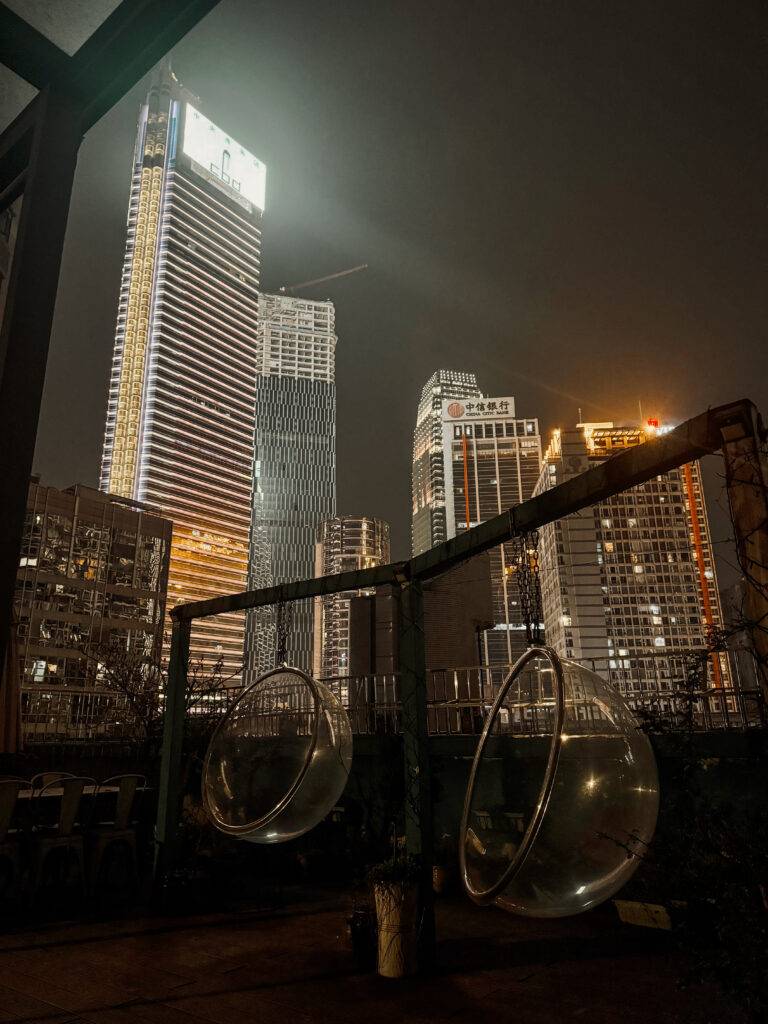
There is also a large, very bright common room where you can eat and work in peace. A sofa corner is also available to rest and read. The reception also offers hot or cold drinks, and something to restore you. The rooms are small but comfortable. The beds all have a curtain and a locker that can be locked with a magnetic key, where you can store your belongings safely.
If you prefer to take a hotel, I advise you to stay in the district of Yuzhong. It remains the best located neighborhood if you want easy access to the main points of interest in the city.
Practical information for visiting Chongqing in China
Is it worth going to Chongqing? My opinion without filter
I will give you my opinion about this city, but keep in mind that it is very subjective.
When I went there, I had already been traveling in China for more than two weeks and I was going to the big cities. And to be honest, I’m not very comfortable in these environments. I have trouble with the crowd, the noise, the artificial lights and the incessant advertisements: this constant over-stimulation tires me a lot. As a result, Chongqing has been ‘the city of too much’. I went there anyway because it is difficult to avoid the big cities in China, and also because I was curious to discover this metropolis that had been sold to me as being one of the most modern and futuristic of the country.
If you like the spectacular cities, overly large-scale urbanism, the skyscrapers as far as the eye can reach and this sometimes a bit dystopian atmosphere that is often associated with Chinese megalopolises, so yes, Chongqing can be worth a visit: one clearly feels like being in another world. The city is built on many hills, which gives it a very particular configuration, and there are some places that deserve to be discovered.
On the other hand, if like me you take more pleasure in traveling in nature and calm, I don’t think that Chongqing is an essential step to include in your itinerary. Especially culturally speaking, I did not find the city particularly striking. The historical sites, as I have already said, are very “Disneyfied” there, like in most of the other major cities of the country that I visited.
In the end, should we go to Chongqing? I would say that it all depends on what you like about travel: the lovers of large modern metropolises should love it, others might find it less interesting.
Do you need a visa to travel to China?
No, until December 31, 2026, holders of a French passport do not need a visa to travel to China.
🔗 Aurélie wrote a comprehensive article “Practical tips for organizing your trip to China“. She answers all the questions you might have about the country (how to pay, customs, security etc.)!
When to go? 🌞
Chongqing is known as being one of the “three ovens” of China. Its summers are among the hottest and wettest in the country, with peaks of 33 to 34°C in August in the urban area. I was there for my part at the beginning of April, and I found that it was already relatively hot during the day.
I therefore advise you to avoid the period from June to August. The best time to visit Chongqing is rather spring or autumn. Winters, on the other hand, are short and mild, but wet and cloudy.
How to get to Chongqing? ✈️
You can come to Chongqing with an internal flight to Jiangbei airport. From abroad, it will be necessary to land at the international airport.
If you are coming from another major Chinese city, you will also have the option to come by train. It is an ecological, fast and cheap alternative in China.
Think about coming early to the station. The latter are very secure in China (a bit like an airport). You will therefore have to pass through several security gates, which can make entering the station longer than expected. Moreover, the stations are generally immense with many platforms. Plan a few minutes in advance to be able to cross it if your train is at the other end.
How to get around?
Chongqing is huge. If you focus only on the district of Yuzhong, it will be possible for you to already do a good part on foot. Otherwise, metro lines work efficiently and quickly. I advise against taking a taxi because the traffic in the city is quite dense. You may often find yourself in traffic jams, and take as much time as on the subway.
How to have internet on your phone with a VPN?
To have internet when traveling in China, it is recommended to buy an eSIM and install a VPN before departure.
It is possible to get a sim card once on site, but it’s really less convenient. My advice is therefore to buy an eSIM on the Saily site with internet data. I paid €35 for 20 GB. The advantage of Saily is the VPN offered in the package. Everything is gathered in a single application and we can recharge data instantly if needed.
💡 The GOOD PLAN of the blog : Get 15% off your Saily eSIM with the code ADM15. Click here to take advantage of the offer!
Budget for a trip to Chongqing 💰
Although Chongqing is one of the largest Chinese cities, I found that the prices there were rather cheap. For the tightest budgets, you will find rooms at only €4 per night in youth hostels. Their comfort is already very correct and they are ideally located. The rates then gradually increase depending on the location, type of accommodation and comfort you wish to have.
Regarding food, the cheapest option will remain to buy something on street food stands. You will find them very easily everywhere in the city. Depending on the dishes, prices will vary between 2 and 3€.
In restaurants, the prices will be a bit higher. Count between €5 and €10 depending on the dish and the chosen establishment.
Is travel insurance required to go to China?
As every time you travel outside the European Union: the answer is YES. Travel insurance including medical expenses is highly recommended. I recommend the Cap Assistance contract from Chapka Assurances, which insures trips of less than 3 months. They also have contracts for longer stays if needed.
💡 Good deal: by passing through this link, you benefit from a 5% discount on your health insurance for abroad.
I hope this article has been useful for you to know what to do in Chongqing ! If this region of the world interests you, here are other guides to continue your reading…
📌 Our other guides in this region of the world
Cambodia off the beaten track: Where to go and what to see?
Trip to Cambodia off the beaten track After presenting you with 🔗 2 and…
23 December 2025
What to do in Cambodia ? 2 or 3-week itinerary
Before starting this article, I prefer to play the card of transparency: it is…
19 June 2026
Sur les routes depuis plus de trois ans : plus qu’une passion, j’ai fait du voyage mon mode de vie. Je parcours l’Europe avec mon mini-van (un Kangoo nommé Michou), et parfois, je le troque contre mon sac à dos pour partir à l’aventure un peu (beaucoup) plus loin… Venez partager un bout de chemin avec moi sur Instagram : @lauralongtheroad


No Comments