


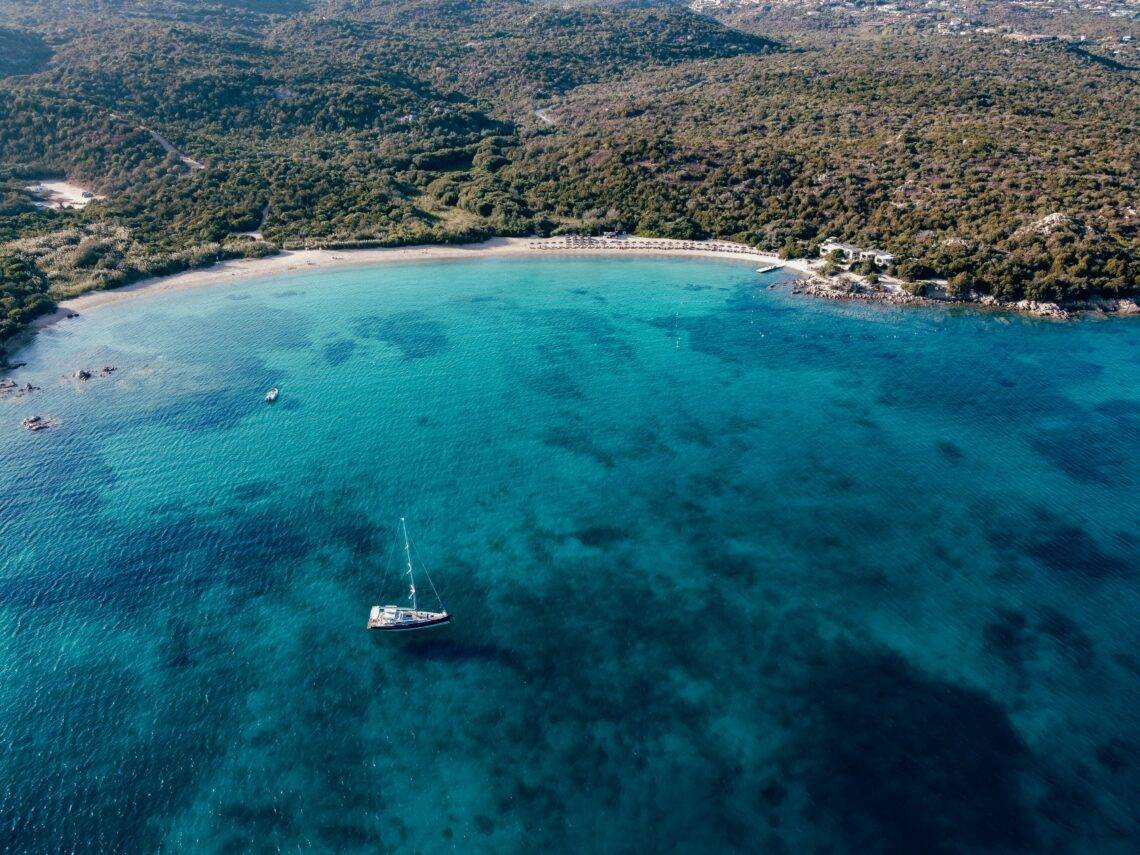
Visiting Sardinia in 2 weeks : complete itinerary
Many of you are asking us if it is better to go to the North or the South of Sardinia. Honestly, it’s very difficult to choose. The ideal is therefore to leave for two weeks to fully enjoy this itinerary. The island is much larger than imagined and the roads can be winding, especially in the interior. Without a well-thought-out itinerary, one can easily spend a lot of time by car.
We have a real crush on this island! To help you as best as possible, we have designed this road trip itinerary in Sardinia over two weeks to discover the most beautiful landscapes of the island while limiting the routes as much as possible.
On the agenda of this trip:
- the mythical beaches of the Costa Smeralda
- the paradisiacal archipelago of La Maddalena
- the historic town of Alghero
- the spectacular coves of the Gulf of Orosei
In total, this route represents approximately 700 km of road, which remains very reasonable for a two-week trip.
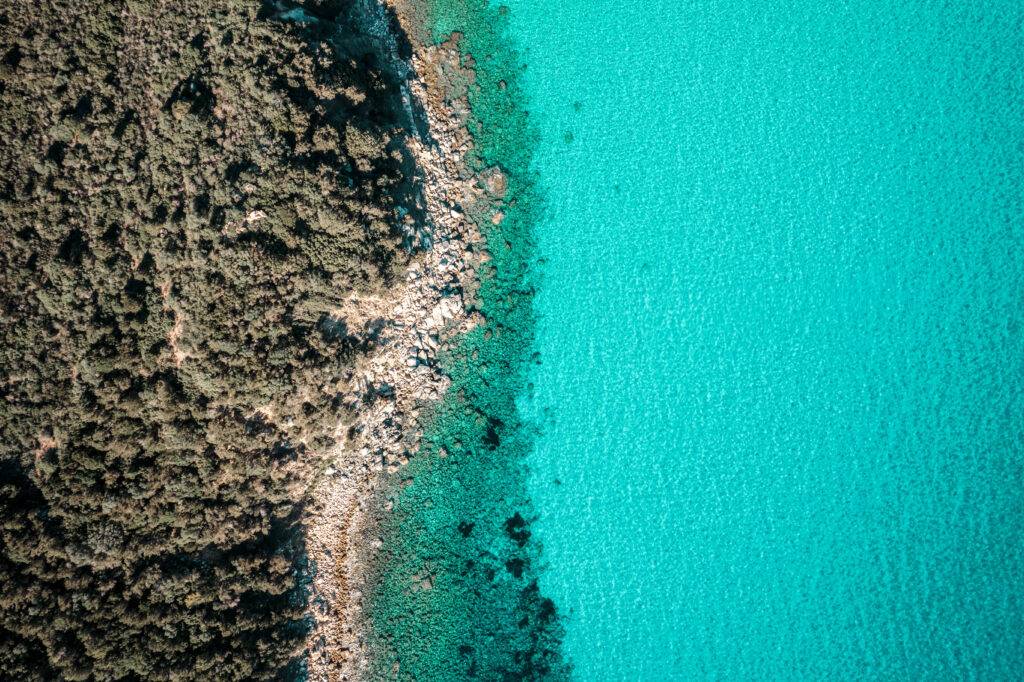
2-week itinerary in Sardinia: glimpses of the road trip
- Why choose this itinerary in Sardinia
- Our itinerary day by day
- 2-week itinerary in Sardinia in detail
- Where to sleep during this itinerary in Sardinia
- Practical tips for organizing this road trip
- What budget for 2 weeks in Sardinia
- 10-day itinerary in Sardinia
- FAQ
Why choose this itinerary in Sardinia ?
This itinerary of 2 weeks in Sardinia is particularly suitable if:
- you are visiting Sardinia for the first time
- you like spectacular beaches and wild coves
- you want to make an easy road trip without too many kilometers
- you want to combine beaches, villages and natural landscapes
Our itinerary deliberately focuses on the north and east of Sardinia, where some of the most spectacular beaches of the island are located.
The south of Sardinia, around Cagliari, Villasimius or Costa Rei, is also worth a visit with very beautiful beaches. However, including it in this two-week itinerary would involve much more time on the road.
If you would like to explore this region, we have also compiled a comprehensive guide to visit the south of Sardinia.
Our itinerary day by day
Here are the main stages of this road trip:
- Day 1-2: Costa Smeralda
- Day 3: archipelago of La Maddalena
- Day 4: Santa Teresa Gallura
- Day 5-6 : Alghero
- Day 7 : Bosa
- Day 8-12 : Gulf of Orosei
- Day 13-14: return to Olbia
Airport advised : Olbia
total distance : approximately 700 km
Map of the itinerary in Sardinia
Here is the map of our 2-week itinerary in Sardinia to easily visualize the different stages of the road trip.
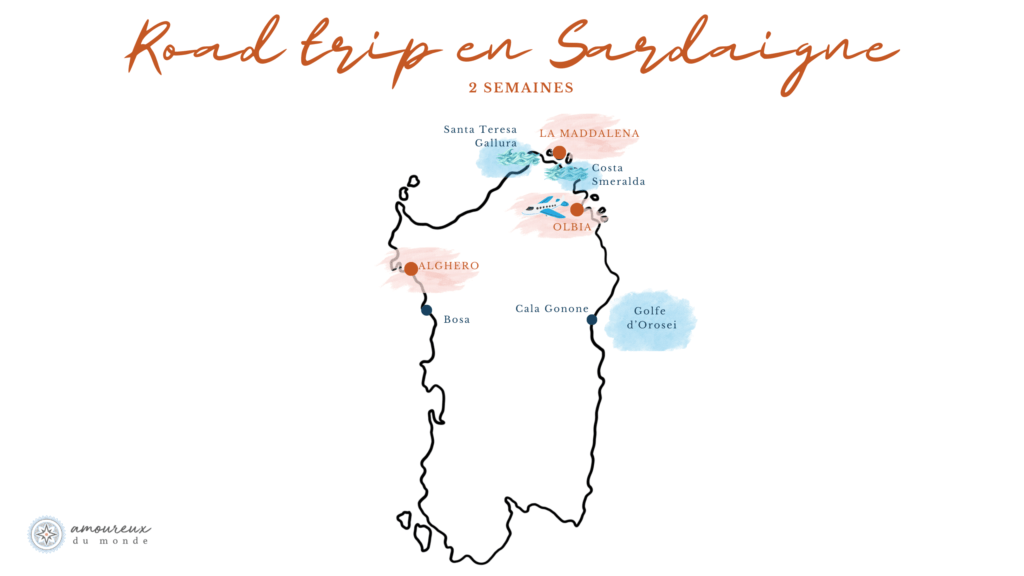
This map allows you to visualize the main stages of our road trip in Sardinia, from the Costa Smeralda to the Gulf of Orosei via Alghero.
2-week itinerary in Sardinia in detail
Day 1: arrival in Olbia and discovery of the Costa Smeralda
Distance: about 30 km
After your arrival in Olbia, pick up your rental car and head to the famousCosta Smeralda, one of the most well-known regions of Sardinia.
If you would like to explore this region further, we have also written a comprehensive guide for visit the north of Sardinia.
Among the beaches to discover:
- Spiaggia del Principe
- Capriccioli
- Liscia Ruja
At the end of the day, take the opportunity to go for a tour in Porto Cervo, a chic seaside resort known for its marina and its many restaurants. I had often heard about this city, sometimes compared to Italian Saint-Tropez. It’s true that the atmosphere can be a bit bling-bling with yachts and luxury shops, but I finally found that Porto Cervo had a lot of charm.

Day 2: beaches of the Costa Smeralda
We recommend that you dedicate this day to exploring the beautiful beaches of the Costa Smeralda. Some of the most beautiful beaches in the region are within a few minutes’ drive of each other.
Our favorite: Capriccioli, famous for its incredibly clear water and granite rocks. It is also an excellent place for swimming or snorkeling.
Day 3: the archipelago of La Maddalena
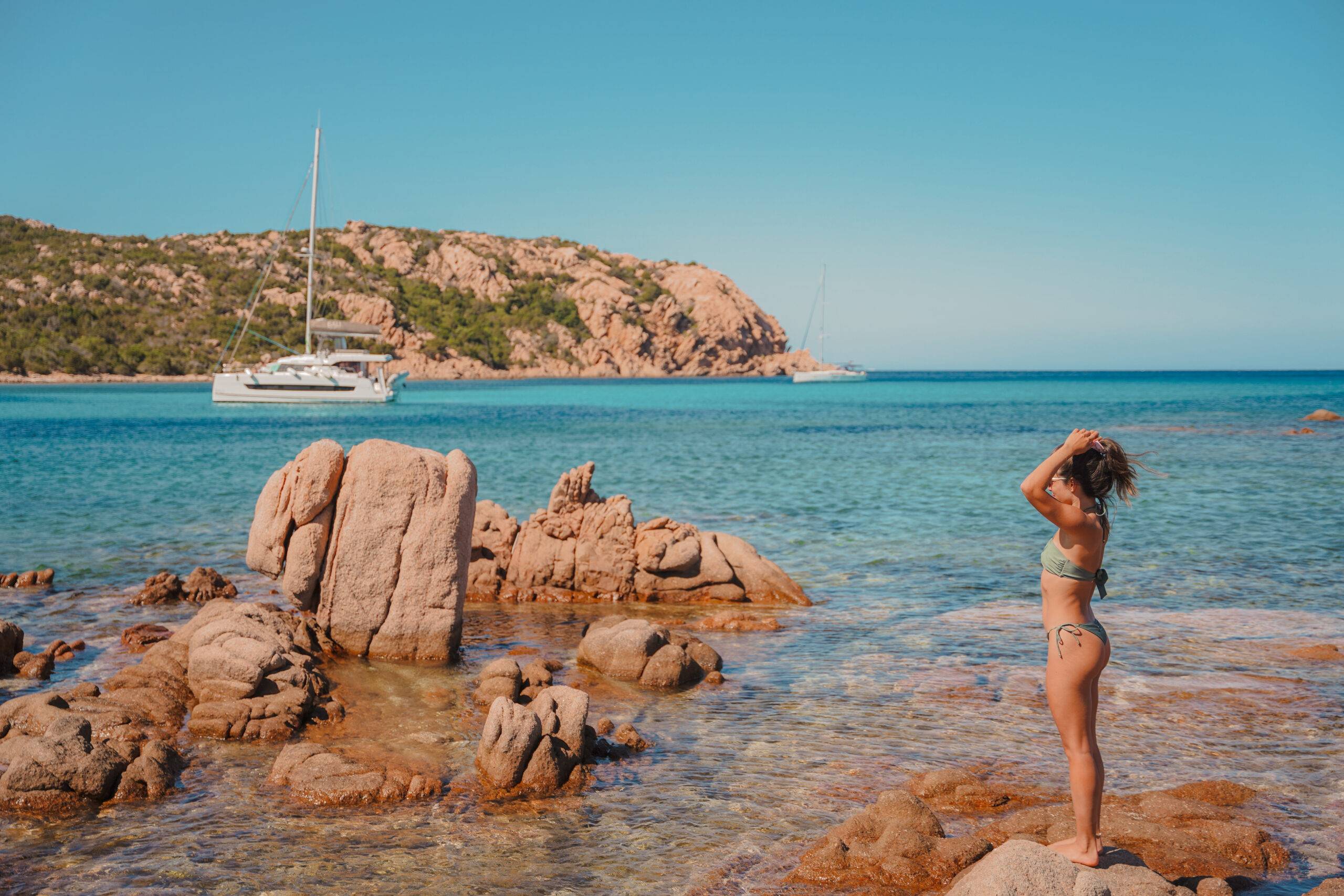
Depuis Palau, embark on an excursion in the archipelago national park of La Maddalena. This archipelago composed of many islands is one of the most spectacular landscapes of Sardinia. During our visit, I was struck by the color of water: it is probablement one of the most beautiful blues I have seen in the Mediterranean.
Ferry crossing between Palau and La Maddalena is very simple. The boats leave all the 20 to 30 minutes approximately in high season and the crossing lasts only 15 to 20 minutes. The price is usually around 15 to 20 € per person round trip, to which an extra fee must be added if you take your car.
Once on the main island, you can easily explore the different beaches by car or continue to the island of Caprera, connected by a bridge.
Among the unmissable beaches:
- Cala Coticcio (often nicknamed the “Tahiti of Sardinia”)
- Spiaggia Rosa, famous for its slightly pink sand

Day 4: Santa Teresa Gallura and Capo Testa
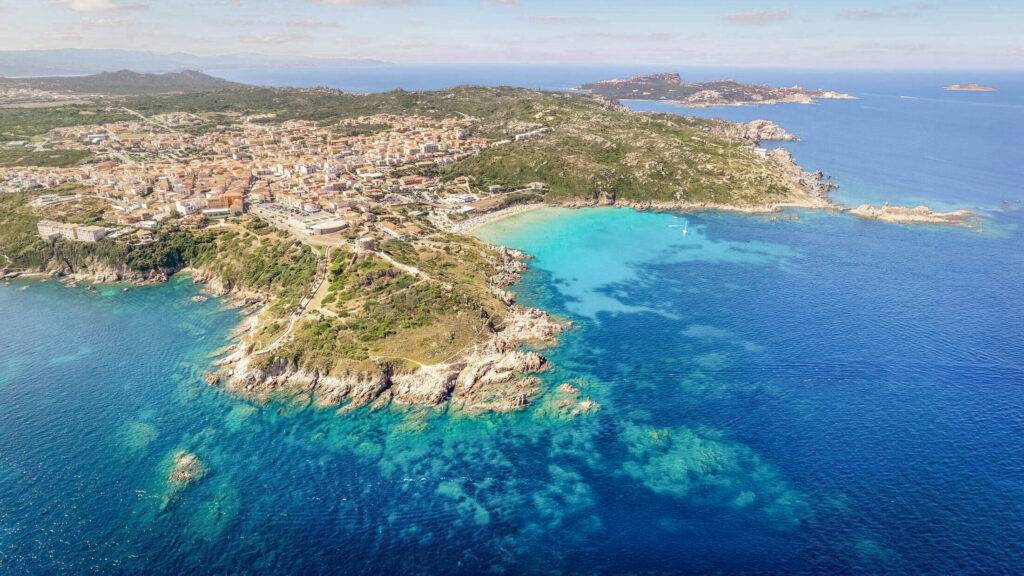
On this 4th day, head to Santa Teresa Gallura, a charming little town located in the extreme north of Sardinia, just a few kilometers from Corsica. From the city center, one can also see on a clear day the cliffs of Bonifacio, which gives a rather special atmosphere to this place.
Start by discovering Rena Bianca, the main beach of the city. Located just below the historic center, it is renowned for its very clear sand and shallow water with magnificent shades of turquoise. It is one of the most pleasant places to swim in this part of the island.
After enjoying the beach or having lunch in one of the small restaurants in the center, continue your route to Capo Testa, located just a few minutes by car. Take the time to walk on the small trails around the lighthouse and go down to some wild coves.
Day 5: road to Alghero
Today, take the road to Alghero, located on the northwest coast of Sardinia. The route crosses a wilder part of the island, with beautiful landscapes of hills and Mediterranean scrub. If you have time, you can make a few stops along the way to enjoy the scenery or discover small less crowded beaches.
Arriving in Alghero, you will discover a city very different from the rest of Sardinia. It has a particular atmosphere linked to its strong Catalan heritage. Indeed, for several centuries, the city was under Spanish rule and we still find this influence in architecture, gastronomy and even in the local language.
The historic heart of Alghero is particularly pleasant to explore on foot. Its cobbled alleys, colorful buildings, and small lively squares give it a lot of charm.
Can’t Miss:
- the old city, surrounded by ramparts
- the ramparts facing the sea, perfect for a walk
- the port at sunset, when the light becomes magnificent over the sea
In the evening, we advise you to have dinner on the terrace, especially in one of the small alleys of the historic center.

Day 6: the caves of Neptune
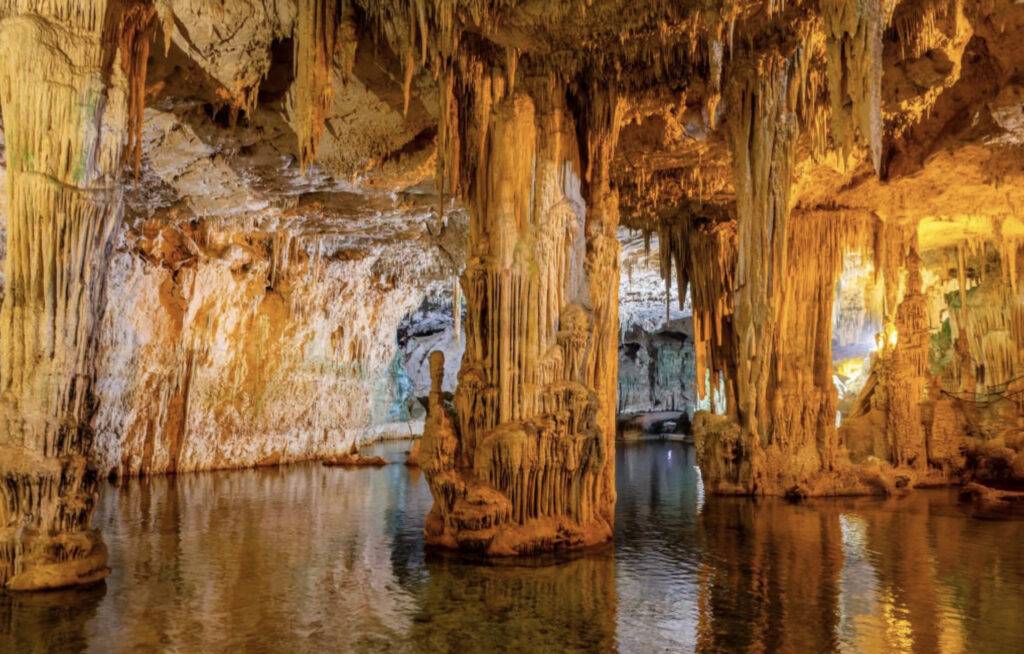
For this 6th day, go to discover one of the most impressive natural sites in the region of Alghero: the Neptune caves (Grotta di Nettuno), located at the foot of the cliffs of Capo Caccia. For us, it is clearly one of the most spectacular visits to do in the northwest of Sardinia.
These impressive sea caves are home to giganticstalactites and stalagmites as well as a huge underground salt lake. During our visit, what marked us the most is the size of certain rooms and the almost unreal atmosphere inside.
There are two ways to access it.
The first is to take a boat from the port of Alghero. The crossing lasts approximately 30 minutes and allows to admire the cliffs of Capo Caccia from the sea. The price is around €15 to €20 per person, which remains very reasonable for this type of excursion.
The other option is to go down from Escala del Cabirol, an impressive staircase of more than 650 steps dug into the cliff. The view during the descent is absolutely magnificent, but you obviously need to keep some energy for the ascent.
In any case, we advise you to eat there in the morning or at the end of the day to have a beautiful light.
Day 7: the village of Bosa
We recommend you to make an excursion to Bosa, one of the most charming villages in Sardinia. Located about 45 km south of Alghero, the journey to get there is already an experience in itself: the coastal road that connects the two cities is often considered one of the most beautiful on the island, with magnificent views of the sea and wild landscapes.
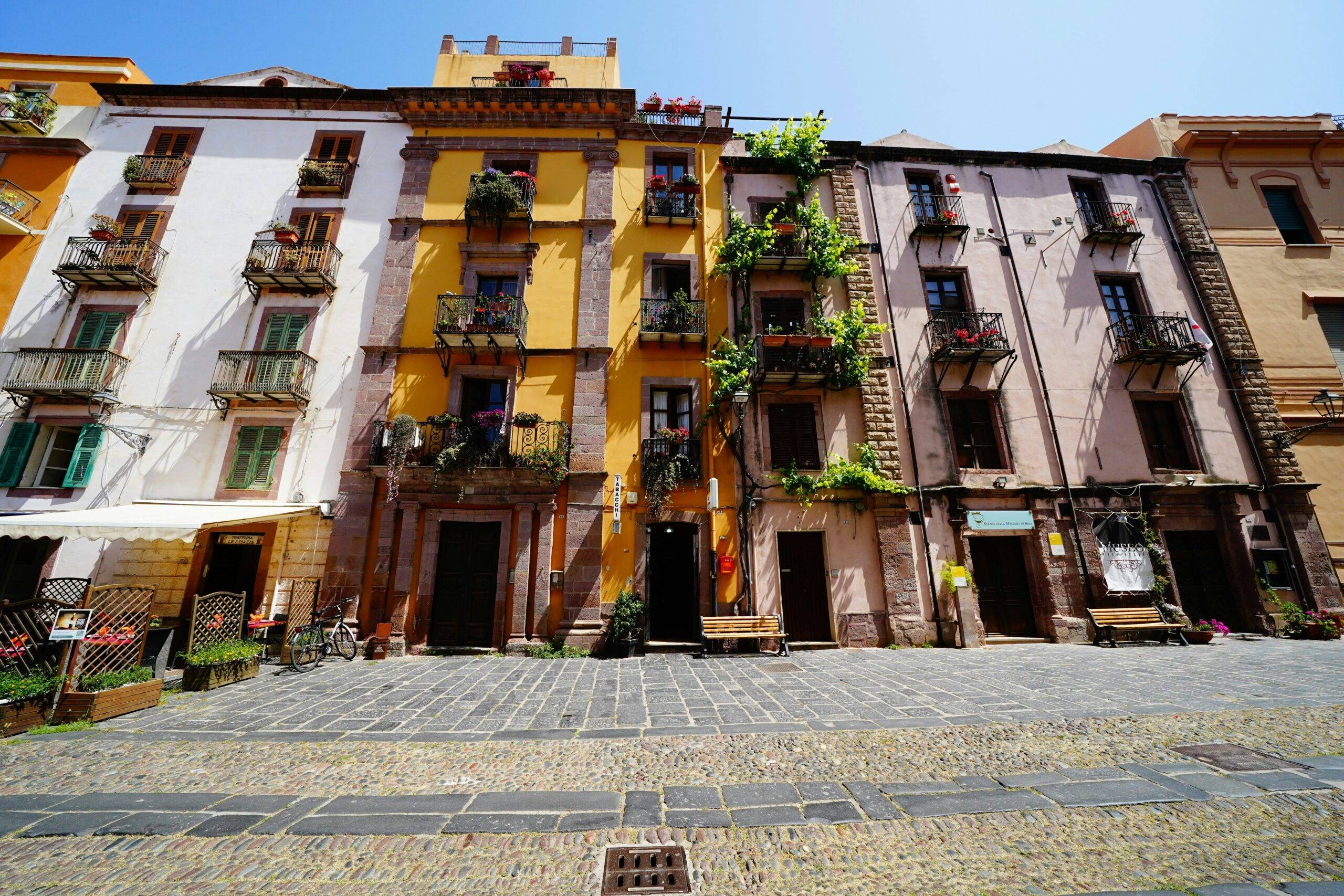
Upon arriving in Bosa, you will immediately notice the colorful houses that stretch along the flood Temo and climb up the hill to the castle of Malaspina. The contrast between the pastel facades, the river and the green hills gives a lot of charm to the village.
We loved walking in the small alleys of the historic center before going up to the castle to enjoy a very beautiful view of the city and the surroundings.
If you have a little more time, you can also continue your route to Oristano, located about an hour south of Bosa. This region is known for some of the most beautiful wild beaches in Sardinia, notably Spiaggia di Is Arutas, famous for its sand composed of small grains of white quartz.
However, in this two-week itinerary, we chose to continue directly towards the Gulf of Orosei in order to limit the time spent on the road.
Day 8: road to the Gulf of Orosei
The Gulf of Orosei is undoubtedly one of our favorites on the east coast of Sardinia. The journey from Alghero is a little longer (around 190 km and 3 hours by car), but it crosses the interior of the island and allows you to discover a wilder Sardinia, between mountains, forests and isolated villages.
Head on Cala Gonone, a small village located by the sea that provides an ideal base for exploring the Gulf of Orosei. It is from this port that most boat excursions leave for the famous coves of the region.
During our trip, we found that Cala Gonone was an excellent starting point to discover some of the most beautiful beaches of Sardinia, such as Cala Luna, Cala Mariolu, or even Cala Goloritzé.
Day 9 : Cala Luna
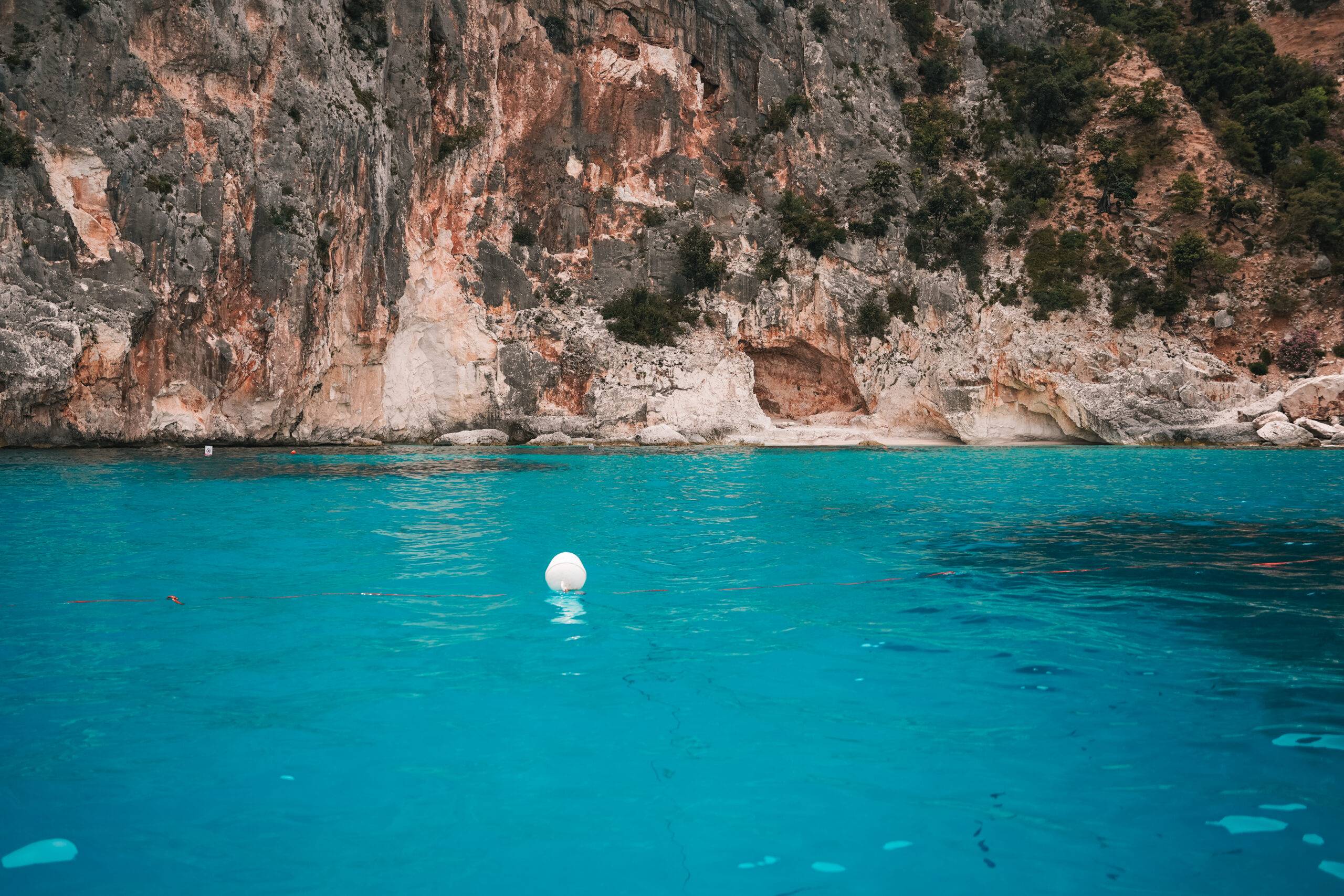
Cala Luna is one of the most famous beaches in the Gulf of Orosei and undoubtedly one of the most spectacular in Sardinia. Surrounded by limestone cliffs and accessible only by boat or on foot, this cove has a truly impressive setting.
We went there by boat from Cala Gonone, which also allows us to admire the cliffs and wild landscapes of the Gulf of Orosei during the crossing. If you want to live the same experience as us, you can rent a boat without permits for the day or half-day. The advantage of the boat is that you can also stop at Cala Mariolu and Cala Goloritzéto save a day on the road trip.

Day 10 : Cala Mariolu and Cala Goloritzé
On this 10th day, discover two of the most spectacular beaches in the Gulf of Orosei : Cala Mariolu and Cala Goloritzé. These wild coves surrounded by high cliffs are often part of the most beautiful beaches in Sardinia.
Cala Mariolu is known for its small white pebbles and its incredibly clear blue water. The place is really spectacular, especially when the sun illuminates the cliff.

A little further away, Cala Goloritzé is famous for its rocky arch and limestone peak that dominates the beach. The water is translucent, making it an ideal place to swim or snorkel.
During our trip to Sardinia, these beaches were among the most impressive landscapes of the stay.

Day 11: the Supramonte massif
After several days spent exploring the beaches of the Gulf of Orosei, we advise you today to discover another facet of Sardinia by going to explore the massive Supramonte.
This mountainous region located inland is known for its wild landscapes, limestone plateaus and deep gorges. The atmosphere is very different from the coast and gives a glimpse of a more authentic and preserved Sardinia.
The Supramonte is an ideal place to do a hike. Several trails allow you to explore the region, notably around the gorges of Gola di Gorropu, often considered one of the most impressive canyons in Europe.
During our visit, we particularly appreciated the contrast between these mountainous landscapes and the turquoise beaches discovered the previous days. This allows you to discover a much wilder Weaving.
Day 12: beaches around Orosei
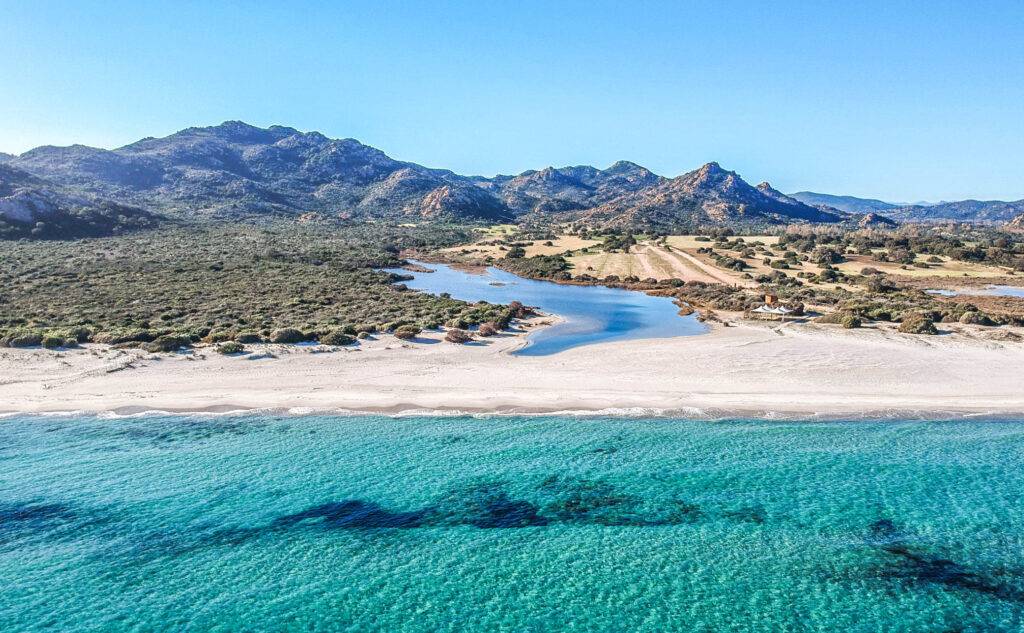
For this last day in the Gulf of Orosei, we advise you to explore the beaches located around the town of Orosei, known for their long stretches of sand and crystalline waters.
Unlike the spectacular coves discovered in previous days, the beaches of this region are wider and easily accessible, making them perfect places to spend a few hours relaxing.
We particularly loved Spiaggia di Cala Liberotto, renowned for its turquoise water and granite rocks, as well as que Spiaggia di Berchida, often considered one of the most beautiful beaches in Sardinia.
Day 13: return to Olbia
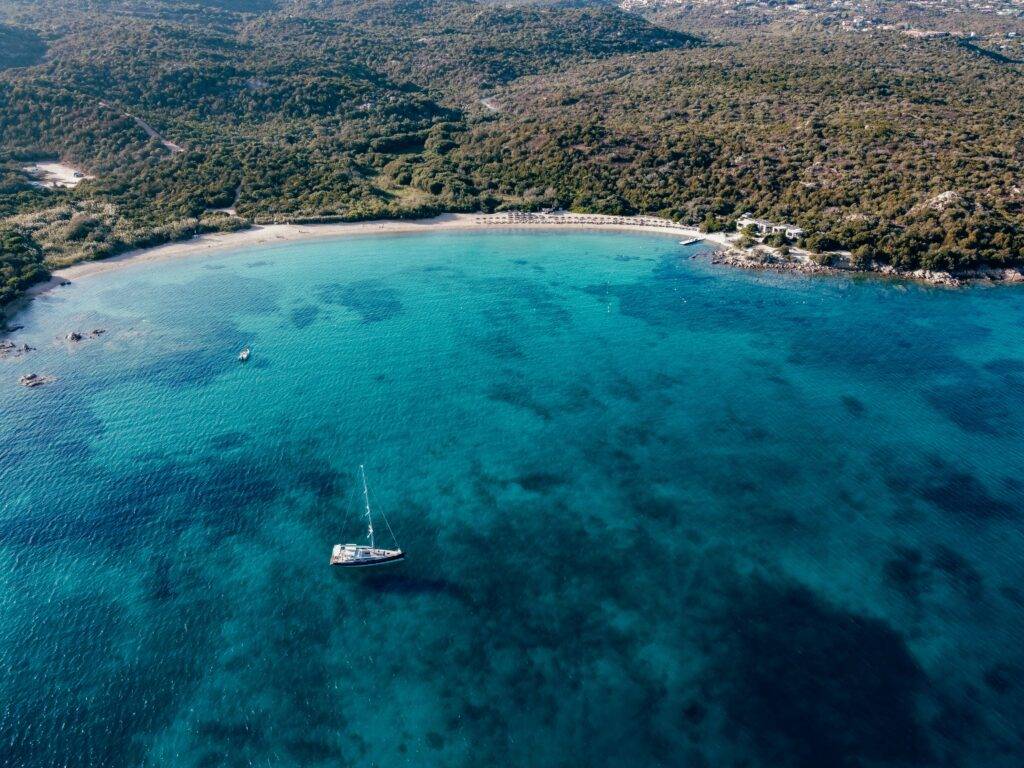
For this last day, take the road quietly in the direction of Olbia, located at approximately 1h30 of road from Orosei. The route runs along part of the northeast coast of Sardinia and still offers some beautiful landscapes between turquoise sea and hills covered with maquis.
If your flight is scheduled for the next day, we advise you to take advantage of this last day to make a final stop at a beach in the surroundings of Olbia. The region still has very beautiful coves, such as Pittulongu or Spiaggia del Principe if you go back through the Costa Smeralda.
We found that this last day was ideal to enjoy one last time the sea and the atmosphere of the island, before the end of the road trip.
Day 14: end of the journey
Depending on the time of your flight, enjoy a last swim in the Mediterranean before returning the car and leaving.
Where to sleep during this itinerary in Sardinia ?
To limit accommodation changes, we advise you to stay in three main bases :
- Costa Smeralda / Olbia : 3 nights
- Cala Gonone : 4 to 5 nights
- For an ideal position, we recommend staying at Dorgali village, on the heights. It will be easier to visit the surroundings. This B&B of Lucia is tastefully decorated and she will give you the Italian welcome we love so much!
This allows to limit the routes while exploring the main regions.
Practical tips for organizing this road trip
Rent a car
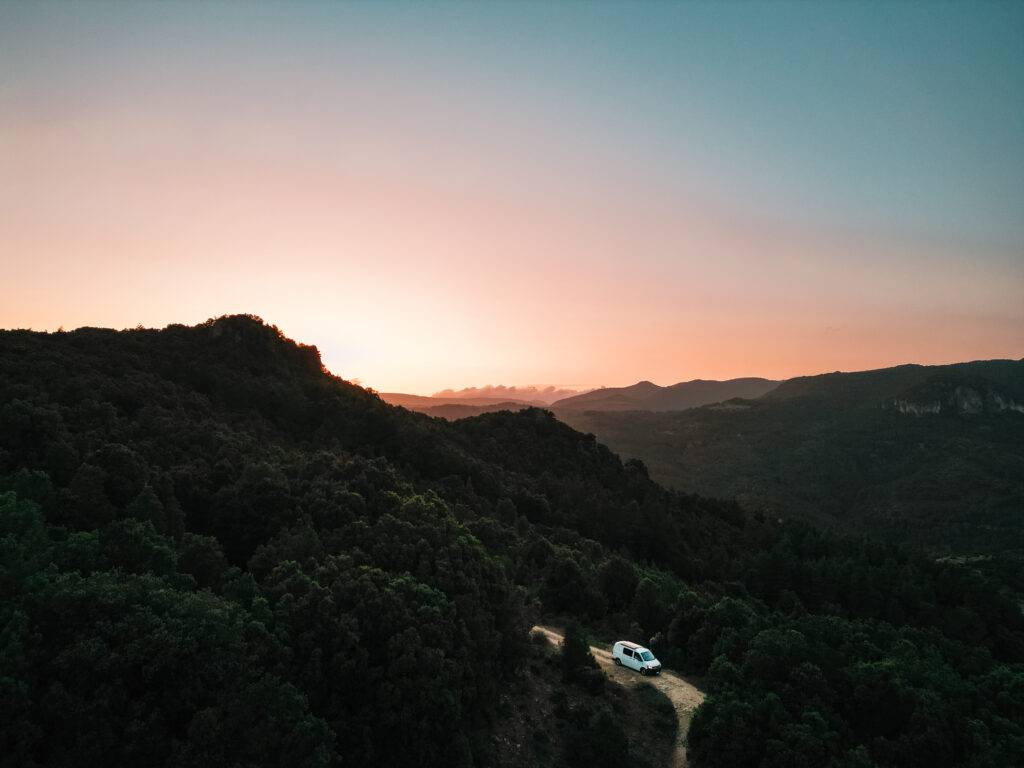
The car is almost indispensable for visiting Sardinia. It allows easy access to the most isolated beaches and villages. To find a car hire in Sardinia, compare prices on Discovercars. Indeed, this comparator allows scanning the entire market and gives very low prices. They are even cheaper than on live rental sites.
Allow time for the road
Even if the distances do not seem very long, some roads can be winding, especially in mountainous areas.
Best time to visit Sardinia
La best time to visit Sardinia depends mostly on what you are looking for: beaches, tranquility or summer atmosphere.
In general, we advise you:
- May – June : pleasant temperatures, very green nature and few tourists
- July – August : perfect weather but high attendance, especially on the Costa Smeralda
- September – October : sea still warm, calmer atmosphere and often more accessible prices
If you want to fully enjoy the beaches and landscapes without too many people, we recommend the months of May, June, and September. They are often the best months to discover Sardinia.
What budget for 2 weeks in Sardinia ?
The budget for a 2-week road trip in Sardinia depends mainly on the season, the type of accommodation and the activities chosen. Overall, the cost of living is quite close to that of France.
For a road trip like the one presented in this article, here is a realistic estimate:
- Accommodation : 90 to 160 € per night on average
- Car rental : €300 for the stay
- Essence : 100 € for about 700 km traveled
- Restaurants : €50 per day per person for 2 meals
With activities, it is generally necessary to pay between €1,800 and €2,300 per personfor a comfortable two-week trip (excluding flights). Attention, prices may be higher in July and August.
Note: this budget can obviously vary depending on the price of car rentals and airplanes, but also depending on the standing of the hotels/restaurants you choose. We are only talking here about our experience.
10-day itinerary in Sardinia
If you have less time, it is possible to adapt this itinerary to visit Sardinia for 10 days. In this case, we advise you to focus on the most spectacular regions of the island:
- Costa Smeralda and the archipelago of Maddalena
- the Gulf of Orosei
- Alghero for its historic center and its Mediterranean atmosphere
These steps allow discovering some of the most beautiful beaches of Sardinia, while limiting travel times.
This article contains affiliate links. If we helped you organize your trip or you just want to support us, think about booking your activities and hotels in Sardiniaby clicking on our links. We will receive a small commission and the price remains unchanged for you, of course.
FAQ
The northeast of Sardinia, around the Costa Smeralda and the Gulf of Orosei, is often considered as the most spectacular region of the island. There are some of the most beautiful beaches in Sardinia, with turquoise waters and many wild coves.
Yes, renting a car is highly recommended to visit Sardinia. Public transport is limited and many beaches or villages are difficult to access without a car, especially if you want to explore the island and discover its wildest coves.
Ideally, we recommend 10 to 14 days to visit Sardinia. This allows you to discover several regions of the island, enjoy the beaches and limit travel times.
The Gulf of Orosei is for us the most beautiful place in Sardinia. Its spectacular coves such as Cala Luna, Cala Mariolu or Cala Goloritzé offer some of the most impressive landscapes in the entire Mediterranean.


No Comments